Research Hub Watch, Understand, Explore the Science
Energy Nexus reconnects the pieces.
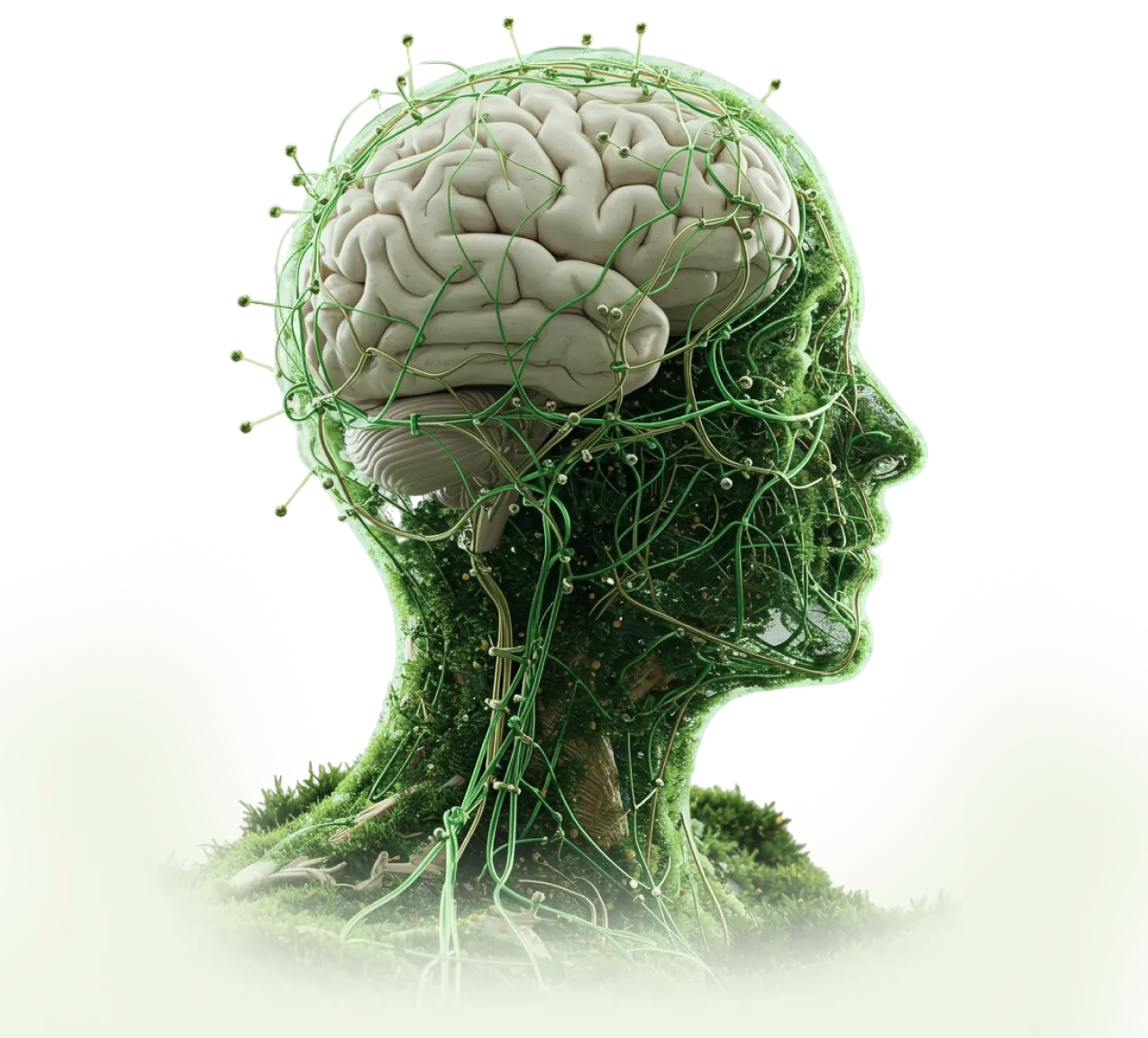
This film reveals the body as an interconnected biological system, where energy is continuously produced, directed, and utilised.Through visual modelling and real-world metaphors, complex biology becomes visible, coherent, and intuitive.
Because understanding why gives us direction.

Energy Nexus – Integrated Biological Intelligence
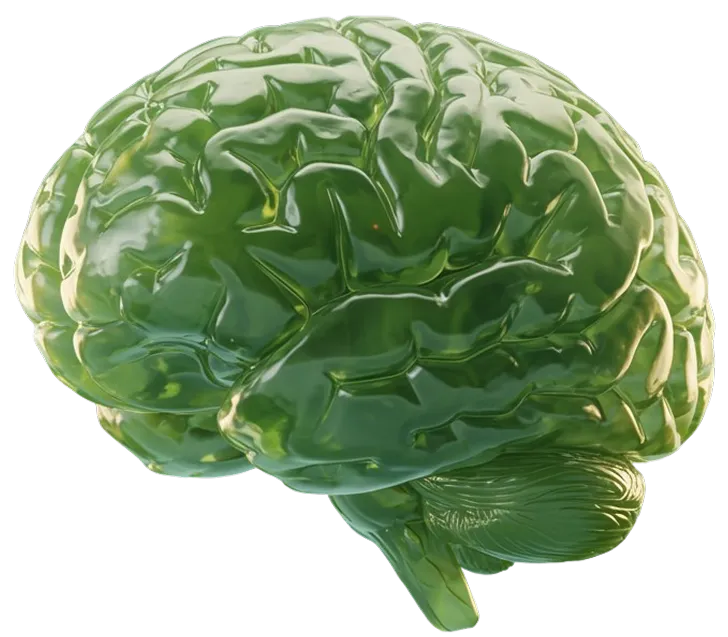
Energy availability sets the boundaries for all biological processes.
All systems communicate and co-regulate through shared networks.
Information flows guide energy use and system behaviour.
Universal principles govern how energy is distributed and used.

Featured Research Snapshots
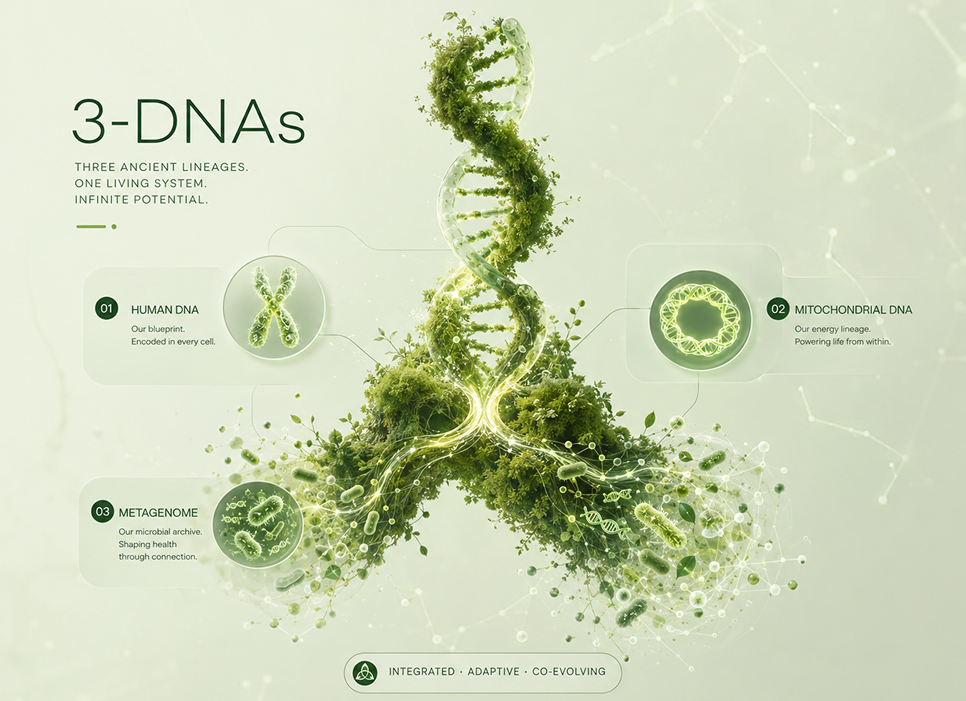
3 DNAs – Integrated Genetic Systems
Nuclear DNA encodes most cellular proteins, mitochondrial DNA governs energy production, and the gut microbiome genome produces metabolites that shape host signalling pathways.
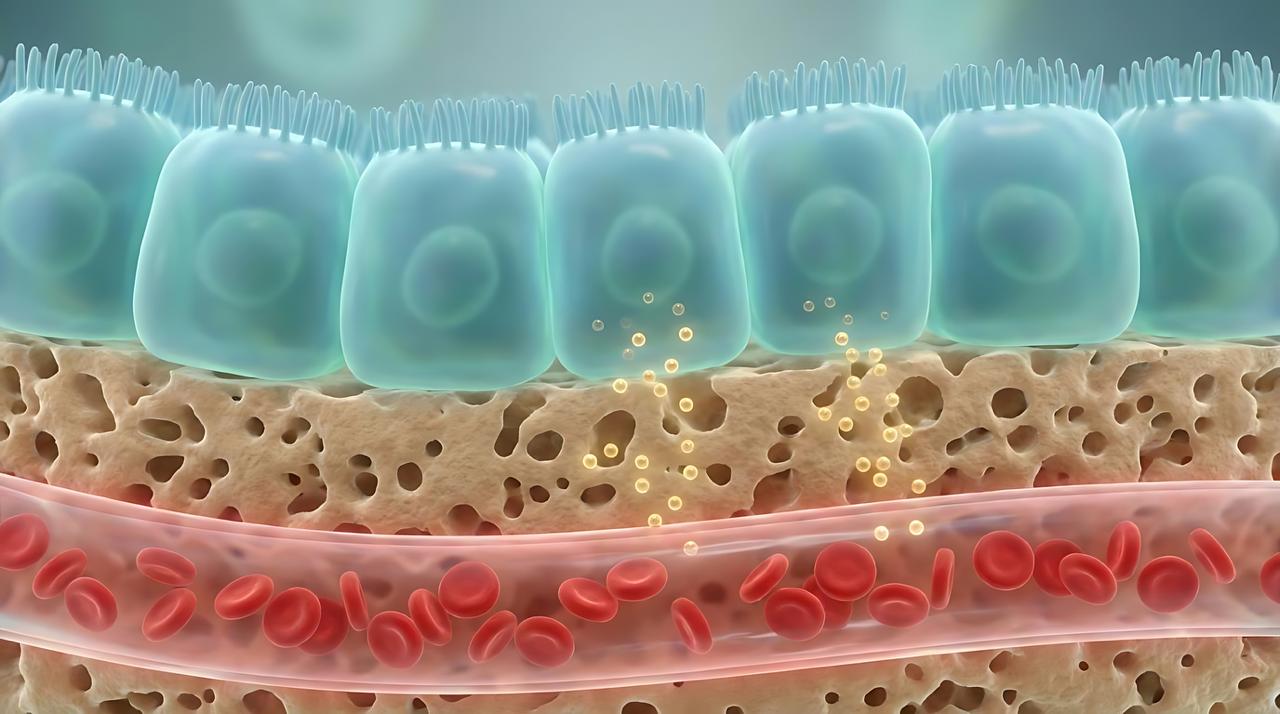
BioReceivers – Utilisation & Communication
Cells and tissues receive, interpret, and act on biological signals through receptors and intracellular pathways, determining how energy and information are utilised and communicated.
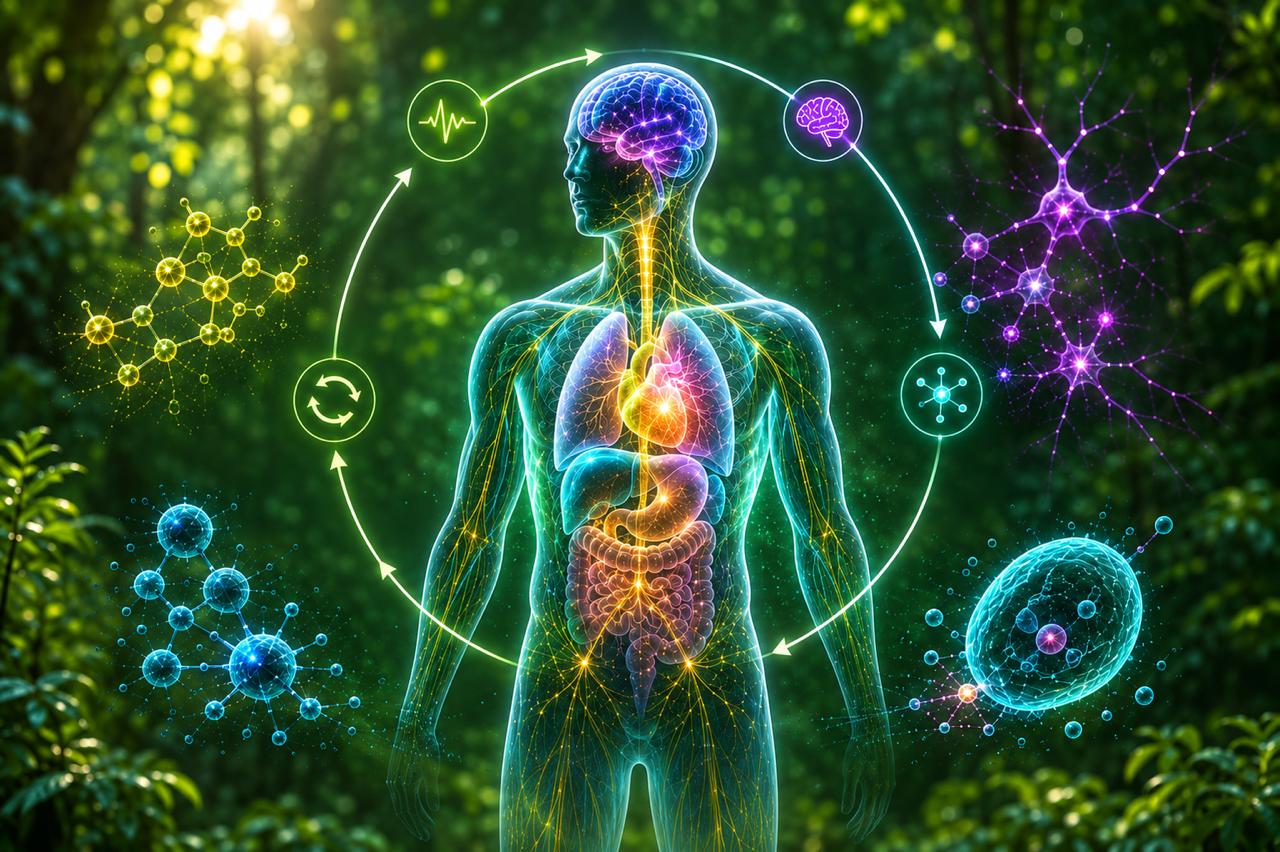
Biofeedback & Optimisation – Adaptive Regulation
Biological systems adapt through feedback loops, where repeated inputs reshape gene expression, signalling pathways, and physiological responses over time.

Scientific Research Library Evidence organised by Energy Nexus Laws and pillars
Function Depends on Flow
Biological function depends on energy being continuously transformed, delivered and used.
Research focus:
Finite Resources. Dynamic Priorities.
Energy, oxygen, fuel and other resources are continuously redistributed according to changing biological demand.
Research focus:
Life Has a Biological Cost
Every act of living creates wear, damage and biological debris that must be repaired, cleared, recycled or rebuilt.
Research focus:
Structure Must Hold Across Scales
From cells to organs to whole-body systems, function depends on structural integrity and integration.
Research focus:
Self-Organisation Requires Feedback
To regulate itself, the body must continuously sense, communicate, interpret and adjust across systems.
Research focus:
Finite Capacity Forces Trade-offs
The body operates within finite usable capacity, so competing biological demands cannot all be prioritised at once.
Research focus:
Every Input Meets a State
Your current state — shaped by genetics, epigenetics, physiological history and present conditions — changes how the body responds.
Research focus:
More ≠ Better
Biology operates within adaptive windows. Beyond them, benefit falls while biological cost rises.
Research focus:
Biological Age ≠ Chronological Age
Biological ageing reflects the trajectory of function, recovery and adaptive reserve — not simply years lived.
Research focus:
Integrated Genetic Systems
Nuclear DNA encodes most cellular proteins, mitochondrial DNA governs energy production, and the gut microbiome genome produces metabolites that shape host signalling pathways.
Research focus:
Gene Expression Control
DNA methylation and histone modifications regulate gene expression without altering DNA sequence, dynamically responding to environmental, nutritional, and physiological signals.
Research focus:
Mitochondria & Throughput
Mitochondria generate ATP through oxidative phosphorylation, while their biogenesis, functional capacity, and metabolic throughput determine energy availability and cellular performance.
Research focus:
BioEnergy Control System
The brain and nervous system regulate systemic energy allocation through neural and hormonal signalling, while PhysEm patterns and gut–brain interactions shape physiological responses.
Research focus:
Utilisation & Communication
Cells and tissues receive, interpret, and act on biological signals through receptors and intracellular pathways, determining how energy and information are utilised and communicated.
Research focus:
Adaptive Regulation
Biological systems adapt through feedback loops, where repeated inputs reshape gene expression, signalling pathways, and physiological responses over time.
Research focus:
BioEnergetic Throughput
Energy must keep flowing for biology to function.
Research focus:
BioEnergetic Throughput
Energy must keep flowing for biology to function.
Research focus:
BioEnergetic Throughput
Energy must keep flowing for biology to function.
Research focus:
BioEnergetic Throughput
Energy must keep flowing for biology to function.
Research focus:
BioEnergetic Throughput
Energy must keep flowing for biology to function.
Research focus:
BioEnergetic Throughput
Energy must keep flowing for biology to function.
Research focus:
BioEnergetic Throughput
Energy must keep flowing for biology to function.
Research focus: