The Energy Nexus as the Foundation of a Digital Twin
“To monitor is to understand. To understand is to replicate. The Energy Nexus begins as a map. It becomes a mirror. Eventually, it becomes a living model – your Digital Twin.”
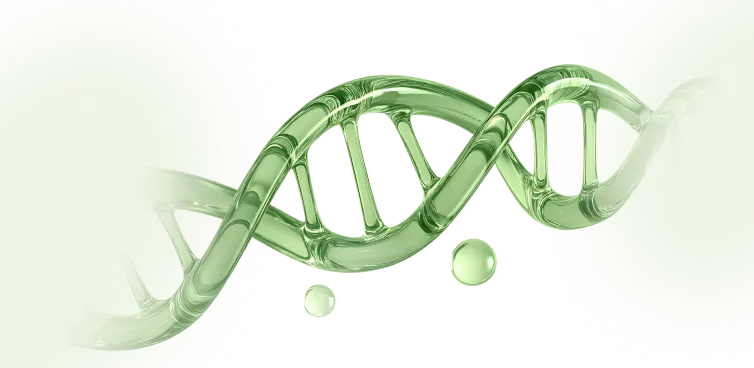
The Energy Nexus Monitoring System is the first step toward the creation of a Digital Twin – a precise, adaptive model of an individual’s biology, behaviour, and health trajectory. Built around the three strands of human health intelligence – Genetic DNA, Blood DNA (biochemistry), and Behavioural DNA (actions and patterns) – the system captures both molecular and functional data to create a complete energetic signature.



Monitoring & Optimisation: Biomarkers, Hallmarks of Ageing, Longevity Assessment

Biomarkers – The Real-Time Translators
Biomarkers are quantifiable indicators of physiological processes. But in the context of longevity and biological evolution, they are more than numbers – they are whispers of your biological reality.
They reveal mitochondrial performance, glycaemic flexibility, detoxification bandwidth, hormonal resilience, oxidative tension, and systemic adaptability. When interpreted with precision, they become early signals – not just of disease risk, but of potential unexpressed.

Case Studies Read More
We continuously expand our analysis, integrating new biomarkers as they emerge:
In genetically high-dopamine individuals, elevated levels may signal overstimulation or oxidative burnout of dopaminergic neurons, requiring targeted neuroprotection, not suppression.
For those with naturally high sympathetic tone, surges may reflect chronic arousal – even when the mind feels calm. Interpretation must consider both genetics and lived physiology.
In individuals with A1 beta-casein sensitivity or lactase non-persistence, even subclinical immune responses may trigger chronic inflammation, brain fog, or skin issues – well beyond “gut discomfort.”
Subclinical cardiovascular risk marker, especially important when LDL is low but oxidative tone is high – relevant in genetically high-ROS producers.
Clues into mitochondrial strain under metabolic load. Elevated levels may not reflect fitness failure but mitochondrial inefficiency or CoQ10 depletion, especially in high-output genotypes.
In those with high mitochondrial oxidation rates, tracking fatty acid saturation and ratios can reveal when the system is tipping into peroxidation rather than clean combustion.
In the context of fasting or ketogenic drift, elevations may seem desirable – yet in someone with glucose-sensitivity genes and high energy flux, this may represent a compensation, not a strategy.
May be an adaptive antioxidant response to mitochondrial ROS – but when paired with high ATP production and low glutathione genes, it may be a flag for hidden redox imbalance.
Hallmarks of Ageing – The Root-Level Indicators
The Hallmarks of Ageing offer a scientifically validated framework for understanding how and why we biologically decline. But in the Energy Nexus system, we take this one step further. We layer the hallmarks across three interdependent dimensions. This layered approach doesn’t just track ageing – it targets it.
BioEnergy Core
Energy generation & regulation
BioEnergy Control Systems
Cellular signalling & communication
BioReceivers
Cells, organs, and systems that interpret and respond



The Story of Ageing – and the Blueprint for Reversal
Ageing begins quietly, at the core.

If the BioEnergy Core fails...
Mitochondria falter. ATP production drops. ROS levels rise. Oxygen is no longer efficiently utilised at the cellular level. Your inner energy economy crashes.
If the BioEnergy Control Systems break down...
Signals become chaotic. Autophagy stalls. Nutrient sensing fails. Inflammatory pathways stay “on.” The biological communication grid goes out of sync.
If the BioReceivers lose resilience...
Cells no longer adapt – they defend. Organs lose plasticity. Systems fragment. The body no longer evolves. It survives.
Decline is not Your Destiny.
While we may not yet be able to fully prevent ageing, we can slow its tempo, reroute its trajectory, and reverse its earliest imprints. The Energy Nexus offers a precision-first approach to reprogramming health at its core:

Optimise the BioEnergy Core
Through nutrients, oxygen, mitochondrial activation, fasting cycles, and circadian recalibration.
Recalibrate the Control Systems
By resolving inflammation, rebalancing nutrient
Revive the BioReceivers
Enabling cells, organs, and systems to respond to life with clarity, resilience, and vitality.
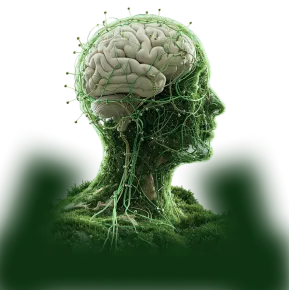
Our long-term vision is to build the Energy Nexus Digital Twin – a self-evolving system that maps your biology, behaviour, and biochemistry in real time.



The Future of Ageing Isn’t Anti – It’s Intelligent
By identifying which hallmarks are active in you, we build a personalised longevity map – the beginning of your Digital Twin.






Multilevel Monitoring – The Intelligence Layer of the Energy Nexus System
Monitoring within the Energy Nexus is not passive data collection – it’s a dynamic intelligence layer that senses, interprets, and guides recalibration in real time. It tracks and connects the three core components of the Energy Nexus—production, regulation, and reception – so we don’t just measure life, we optimise it.
Molecular Level – Foundation of Optimisation
At the deepest layer of the Energy Nexus lies the instruction code – the three interconnected genomes that define how your body senses, produces, and uses energy. These are not passive blueprints – they are adaptive, responsive, and modifiable. They do not just shape how you are born; they influence how you age, recover, think, feel, and evolve.


Human (Nuclear) DNA
We’ve all seen it. The parent who always seems inflamed, exhausted, and visibly ageing before their time. The friend who can’t process stress without breaking down. The sibling who gains weight no matter how little they eat. Or maybe it’s you – pushing hard, doing everything right, yet something inside won’t shift. Energy feels trapped. The mind races. The skin loses light. The system resists change. This isn’t a mystery.
It’s your Human DNA – the ancestral code you carry, written across 23,000 protein-coding genes and millions of switches that shape the architecture of your entire biological life.
How well do I metabolise carbs, fats, and proteins – do I burn cleanly, or store unnecessarily?
How well do I fight oxidative stress – the kind that damages DNA and accelerates ageing?
Is my internal antioxidant production (glutathione, CoQ10, SOD) strong enough, or do I need more support through diet, movement, and lifestyle?
Can my liver efficiently detoxify pollutants, alcohol, medication, and hormonal build-up — or do I need to assist it more actively?
Am I wired for emotional storms or strategic calm? How does my brain process dopamine, serotonin, and GABA (COMT, MAO, GAD)?
Do I recover quickly from stress – both mentally and hormonally – or is it silently draining my reserves?
Am I carrying silent, chronic inflammation that increases my long-term risk for cancer, cardiovascular disease, or autoimmune conditions?
Is my collagen strong, my joints fluid, my skin vibrant – or am I accelerating visible and structural ageing without knowing it?
Does my body thrive on endurance, respond to strength, or require precision movement to stay balanced and pain-free?
Mitochondrial DNA (mtDNA)
Your energy doesn’t just come from food or movement – it comes from deep inside you, passed down the maternal line in a whisper of just 37 genes. Your mitochondrial DNA holds the memory of your ancestors – and it influences how you produce, use, and pay for your energy.

Your mitochondria likely excel at fat oxidation and cold adaptation. You may thrive on high-fat input, low-carb fuel, and exposure to cold.
But carbs can spike your system, and modern warmth may leave you sluggish orinflamed.
Your mitochondria are tuned for endurance, hypoxia, and glucose-based energy. You may depend more on carbohydrate metabolism, and experience fat toxicity if fat intake is high.
You're likely efficient in fasting or low-oxygen states – but highly vulnerable to oxidative stress and nutrient overload.
You're somewhere in the middle – with balanced oxidative capacity, but more sensitive to environmental toxins, modern stressors, and inconsistent rhythms. Adaptability is your strength – but so is precision.
This tiny genome powers your ATP – the literal fuel of life. But more energy also means more ROS – free radicals that, if left unbuffered, damage DNA, accelerate ageing, and inflame your tissues.
Do I generate energy cleanly – or does my vitality come with a hidden cost?
Can I thrive on intermittent fasting, or does it drain me?
Does my body prefer endurance, heat, cold, or high bursts of movement?
Am I more vulnerable to statins, overtraining, or constant nutrient intake?
Is my CoQ10 recycling efficient – or do I need antioxidant support to protect my mitochondria from internal wear and tear?
Does my mitochondrial lineage make me resilient… or reactive?
Your mitochondria don’t just determine how much energy you have – they decide what it costs you to generate it.
Human (Nuclear) DNA
You might think your body is just human. But you’re also a living host to trillions of microbes – bacterial, viral, fungal, and archaeal – each carrying their own DNA, their own potential, their own influence over how you feel, think, and age.
This is your third genome. Passed from your mother, shaped by your environment, sculpted by your food, stress, love, and light. And it’s not just who’s there – it’s what they’re doing.
While the microbiome is about the cast of characters, the metagenome is about the scripts they can perform – what metabolic, immune, hormonal, or neurological functions they might influence.
In the Energy Nexus, the metagenome is the functional code of the Microbiome DNA – not just who’s living in you, but what they’re doing with your body’s resources.
Is my gut community working for me – or silently against me?
Am I making enough brain fuel, or leaking inflammation into my bloodstream?
Do my microbes protect my hormones, my digestion, and my mind – or are they draining my energy behind the scenes?
Is my microbiome helping me adapt – or anchoring me in dysfunction?
Your third genome is not a background noise. It’s a biochemical orchestra – and you get to tune it.











These aren’t fringe questions. These are the lived realities of millions. And most answers start with your microbiome – even if no one’s ever tested it.

It shows up as cravings, moods, rashes, sleepless nights, inflammation without fever, and food reactions without logic. It hides in the space between symptoms and science. But once it’s decoded – everything begins to make sense.
Together, they create your molecular identity – dynamic, responsive, and constantly shaping how you think, age, feel, and heal. The Energy Nexus begins at this deepest level – where biology becomes biography, and your genome becomes a roadmap, not a sentence.
Cellular Level – Where Longevity Begins
Cells are not passive units – they are dynamic sentinels, constantly recalibrating their energy use, defence systems, and gene expression in response to both internal states and external cues.
We do not simply ask: is this cell alive?
We ask: is it thriving? Is it allocating energy toward survival or renewal? Is it signalling damage or adapting intelligently?
We explore a spectrum of cellular vitality – going far beyond standard panels to identify subtle and early shifts that predict long-term biological outcomes.
ATP production vs ROS burdenMitochondrial membrane potential, nutrient oxidation preference (glucose vs fat)Lactate buildup under stress, NAD⁺/NADH ratios
→ These reveal whether your cells are generating clean energy – or under silent oxidative strain.
8-OHdG → DNA oxidative damage
F2-isoprostanes → lipid peroxidation
Glutathione status, SOD, catalase, CoQ10
→ The front lines of ageing are fought in the redox trenches. We measure your defences.
LC3, p62/SQSTM1, HSP70, unfolded protein response
→ We track whether your cells are clearing damage – or letting it accumulate.
p16ᴵᴺᴷ⁴ᵃ, SASP proteins (IL-1β, IL-6, TNF-α), telomere-associated dysfunction
→ Senescent cells don’t die – they linger, inflaming their neighbours. We aim to identify and neutralise them.
Methylation patterns (biological age acceleration), histone modification balance miRNA profiles indicating chronic stress or metabolic mismatch
→ We monitor how your life is rewriting your DNA – daily.
Because a lab marker alone means little without your lived reality.
Your cells don’t follow time – they follow energy. And longevity doesn’t happen in decades. It happens cell by cell, day by day.

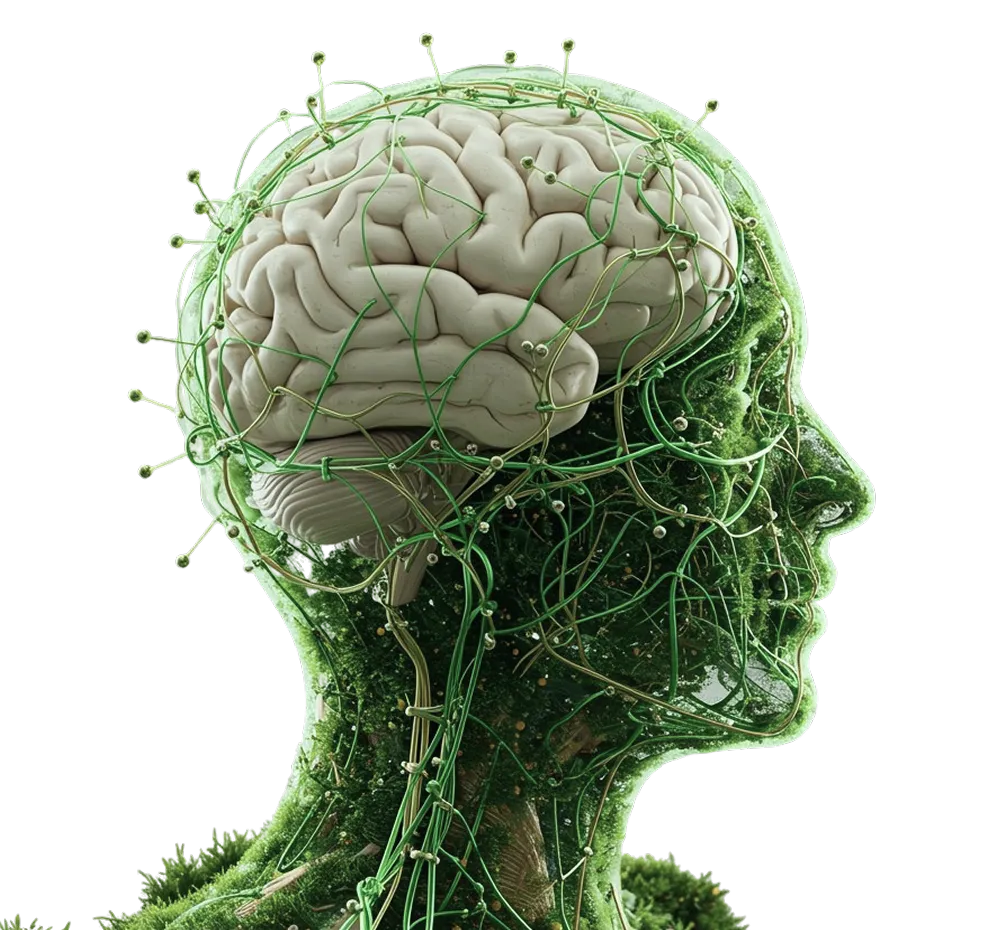
The Brain Doesn’t Just Age – It Signals:
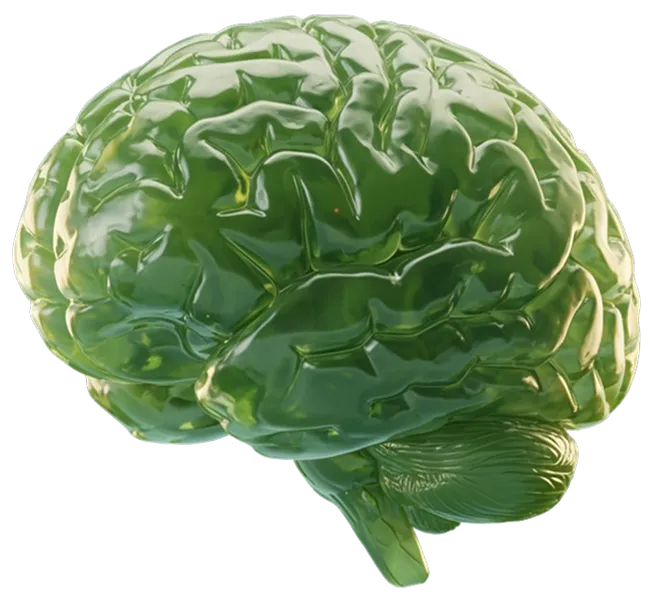
APOE4, BDNF, COMT influence resilience, clarity, and decline risk.
Energy, neurotransmitters, and emotional regulation all stem from bioenergetic core function.
Brain ageing begins in the mitochondria – and can be recalibrated.
The Heart Doesn’t Just Pump – It Communicates:
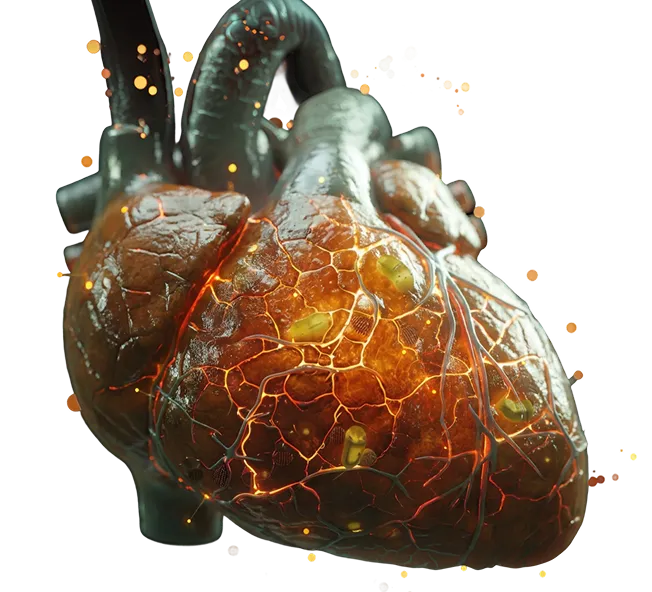
NOS3, LPA, MTHFR impact vascular tone, nitric oxide, arterial stiffness, and recovery.
The heart speaks through subtle energy shifts – long before pathology.
We listen early, and we intervene precisely.
The Pancreas Doesn’t Just Manage Sugar – It Manages Stability:
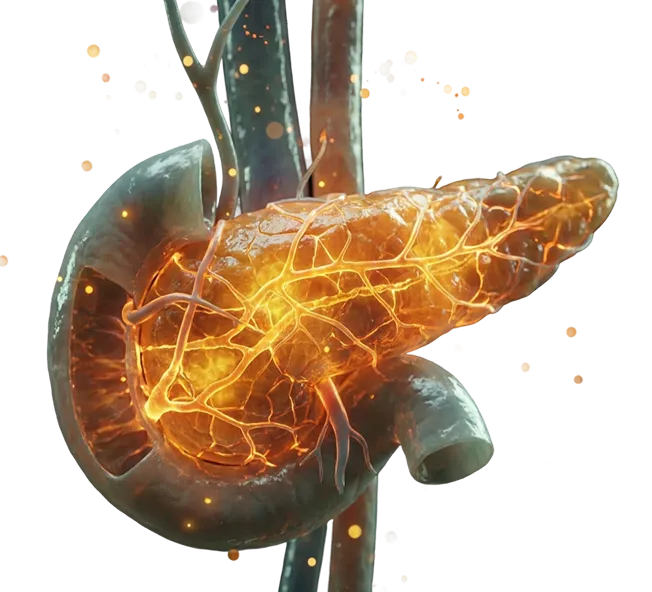
SLC30A8, TCF7L2, FTO influence beta-cell health, insulin signalling, and glucose perception.
We assess whether the pancreas is responding... or coping.
You can’t fix fatigue without fixing fuel.
The Muscles Aren’t Just for Movement – They’re Mitochondrial Engines:

ACTN3, PPARGC1A define fibre types, recovery, and energy turnover.
Muscles are where mitochondria live in abundance – or start to shut down.
This is where fitness meets redox precision.
Glycation & Mitochondrial Ageing Aren’t Just Internal – They’re Visible:
AGER, GLO1 regulate how well your body clears sugar-induced damage.
Glycation accelerates mitochondrial decay, especially in skin, eyes, kidneys, and brain.
Ageing isn’t just about time – it’s about cross-linked proteins and stuck energy.
Glycation & Mitochondrial Ageing Aren’t Just Internal – They’re Visible:

UCP2, SMPD1, NRF2 shape membrane resilience, antioxidant control, andinflammation resolution.
These are the genes and proteins that don’t show up on routine labs – but often hold the key.
We integrate
Because people don’t relate to a gene. They relate to what it feels like when energy is misaligned in a specific part of their body.
…just exactly what matters most.
Systems: Where Coordination Creates Longevity


Case Study: Waking at 2–3am – The Hepatic Blood Sugar Link
This window corresponds to the liver’s circadian peak (per TCM and chronobiology) – when hepatic glucose regulation is both most active and most vulnerable.

Longevity Strategy
From gene to cell, from organ to system – the Energy Nexus doesn’t just track life. It decodes it.
It listens to the body’s quiet signals and transforms them into action. And in doing so, it offers more than data – it offers direction. A personalised, intelligent, and evolving path to thrive, not just survive. Because the future of health isn’t about resisting decline – it’s about resonating with higher order. It’s time for humanity to evolve beyond survival biology and consumption-driven living – and into conscious, regenerative design. This isn’t longevity through resistance. It’s evolution through resonance. Perhaps even the beginning of Homo Evolutis – the self-aware, co-designed human.