BioEnergy Control System
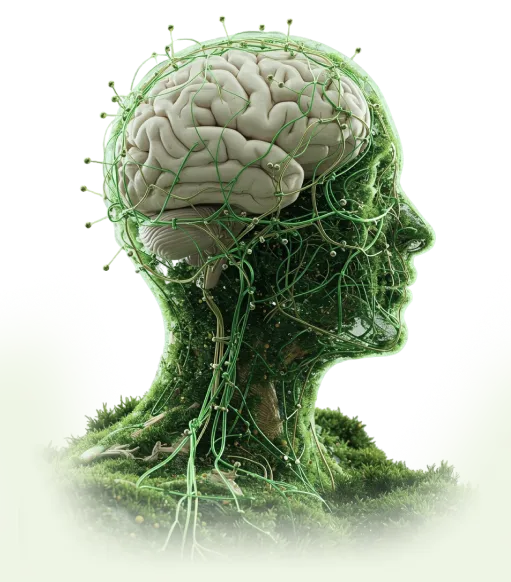
The intelligent network that regulates energy creation, distribution, and performance by integrating four key elements: Brain and Nervous System, Microbiome, Gut and Enteric Nervous System, PhysEm (Physiological Emotional Responses), and communication molecules such as hormones, neurotransmitters, cytokines, and more.


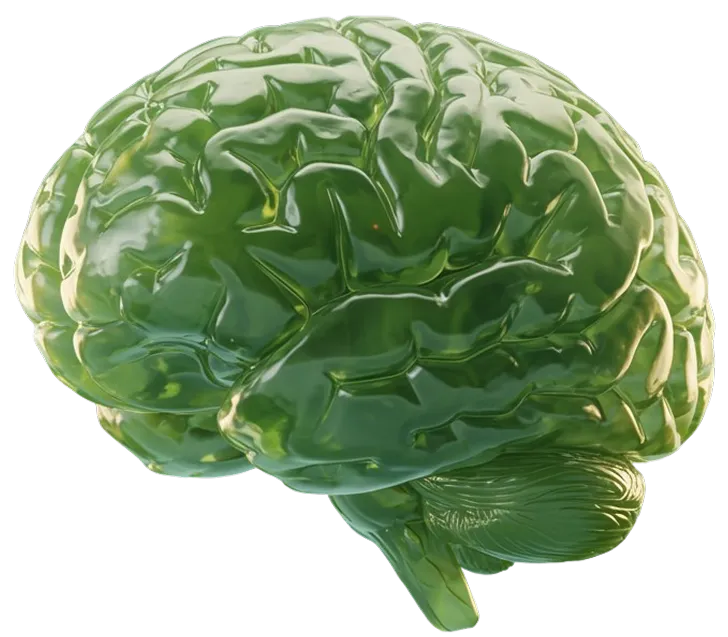

The Brain: Energy Allocation and Pattern Formation
Every conscious and unconscious action begins in the brain. Its energy allocation powers not only perception and decision-making but also emotional balance and physical health.
The epicentre of consciousness, thought, perception, voluntary movement, problem-solving, and creativity.
A central network for emotion, motivation, learning, memory, and social bonding, responsible for processing emotions, motivation, learning, memory, and social bonding. Includes:
Amygdala: Emotional processing, fear response, and encoding of emotional memories.
Hippocampus: Learning, memory formation, spatial navigation, and consolidation of experiences.
The relay station for sensory and motor information, regulating alertness, attention, sleep, and emotional integration. It plays a critical role in filtering and prioritising neural signals, influencing how energy is directed to essential tasks.
The ultimate regulator of hormonal balance, appetite, thirst, temperature regulation, circadian rhythms, and emotional responses. It communicates with the Pituitary Gland to control endocrine functions.
Produces melatonin to regulate sleep–wake cycles and modulate emotional states. Also influences energy distribution through its impact on circadian rhythms.
Involved in motor control, procedural learning, habit formation, reward processing, and emotional regulation. It plays a fundamental role in creating automatised behavioural patterns that can be harnessed for improved energy efficiency and longevity.
The life-support system, regulating autonomic functions such as breathing, heart rate, blood pressure, and sleep–wake cycles. The Reticular Formation, within the brainstem, regulates wakefulness, attention, and cortical arousal, ensuring energy is allocated towards critical functions.
The coordinator of balance, precision, movement, motor learning, and cognitive processing, fine-tuning actions to ensure energy efficiency and precision.


The noitulovEH Vision

The Brain’s Adaptability and Pattern Formation
Human behaviour is organised in patterns shaped through repetition. These patterns allow the brain to operate efficiently by reducing the need for constant decision-making and conserving energy. However, health and well-being are not determined simply by how often these patterns occur, but by how they are experienced and processed by the nervous system. The same repeated behaviour can either support resilience and vitality or reinforce stress and fatigue, depending on how the body interprets it.
At a physiological level, the brain is continuously evaluating experience – assessing safety, relevance, and energy demand. These evaluations influence neural activity, autonomic balance, and the release of signalling molecules such as cortisol, dopamine, and oxytocin. Over time, repeated patterns of activation strengthen specific neural pathways and shape how the body allocates energy. This is why certain patterns – whether in thinking, behaviour, or environment – can gradually support optimal health and longevity, or contribute to persistent states of stress, reduced clarity, and diminished performance.
Importantly, these patterns are not fixed. Through neuroplasticity, the brain is continuously reorganising in response to experience. By intentionally shifting attention, behaviour, and environment, it is possible to reshape neural pathways and create patterns that support vitality, emotional resilience, and long-term health. Today, we are only beginning to understand the true capacity of the human brain – and with it, the potential to optimise health, extend lifespan, and enhance overall performance.

The Brain’s Interconnectedness
The brain’s function extends beyond storing and processing information—it continuously adapts in response to internal and external signals, shaping how we think, feel, and act. Thought processes, memory formation, and emotional responses are closely linked with physiological function. The brain is in constant communication with the body, influencing and being influenced by hormonal signalling, immune activity, and metabolic processes. This dynamic exchange allows the system to adjust energy distribution, maintain stability, and respond to changing demands. Over time, these interactions shape both immediate performance and long-term health.
The brain’s brilliance lies not only in its ability to store and process information but also in its capacity to change, adapt, and evolve, allowing us to transcend limitations and achieve peak health and performance. Thought processes, memory formation, and emotional responses are dynamically intertwined with physiological functions. The brain continually communicates with the rest of the body, influencing and being influenced by every aspect of the BioEnergy Core.

Communication with the Microbiome
The brain and gut microbiome are engaged in constant communication through the gut-brain axis. This interaction is mediated by neural pathways, including the vagus nerve, as well as by immune signalling and microbial metabolites produced within the gut. Signals from the microbiome – including short-chain fatty acids, neurotransmitter precursors, and cytokine-mediated pathways – influence brain function, mood, cognition, and overall neural regulation. Conversely, the brain modulates gut activity through autonomic and hormonal pathways, shaping microbial composition and activity.
The brain and gut microbiome are engaged in constant communication through the gut–brain axis. This interaction is mediated by neural pathways, including the vagus nerve, as well as by immune signalling and microbial metabolites produced within the gut. Signals from the microbiome—including short-chain fatty acids, neurotransmitter precursors, and cytokine-mediated pathways—influence brain function, mood, cognition, and overall neural regulation. Conversely, the brain modulates gut activity through autonomic and hormonal pathways, shaping microbial composition and activity.

Communication with Mitochondria
The brain’s interaction with mitochondria—the cellular structures responsible not only for energy production but also for metabolic and signalling regulation—is fundamental to overall function. Mitochondria support neuronal activity by generating ATP, regulating cellular metabolism, and participating in intracellular signalling processes.
Beyond energy production, mitochondria play a key role in sensing and responding to physiological demands. They communicate with the cell and the wider system through signalling molecules, including reactive oxygen species and metabolic intermediates, which influence gene expression, cellular adaptation, and stress responses. Disruptions in mitochondrial function and signalling have been associated with ageing and age-related neurological conditions.
The brain continuously adjusts energy allocation based on demand, and mitochondrial efficiency directly influences how effectively this energy is produced, distributed, and utilised. This dynamic relationship impacts cellular resilience, cognitive function, and the biological processes underlying longevity and overall well-being.

Communication with the Immune System
The brain plays a central role in regulating immune activity as part of the body’s overall energy management. This interaction is bidirectional: the brain influences immune responses, while immune signals continuously inform brain function.
Through pathways such as the hypothalamic–pituitary–adrenal (HPA) axis and the autonomic nervous system, the brain modulates immune activity by releasing signalling molecules, including glucocorticoids, which help regulate inflammatory processes. At the same time, immune-derived signals, such as cytokines, communicate with the brain, influencing neural activity, behaviour, and energy allocation.
The brain plays a central role in regulating immune activity as part of the body’s overall energy management. This interaction is bidirectional: the brain influences immune responses, while immune signals continuously inform brain function.

The Brain’s Potential
Understanding and supporting these interconnected systems allows us to develop strategies that enhance brain function, promote healthy ageing, and expand human capability. The brain is not only processing information—it is continuously regulating how energy is produced, allocated, and utilised across the body.
Through its interaction with the BioEnergy Core, the brain influences hormonal signalling, modulates immune activity, processes internal and external sensory inputs, and coordinates physiological responses. In this way, mental activity is translated into measurable biological effects that shape both short-term performance and long-term health.
Understanding and nurturing these complex interconnections can lead to strategies that enhance brain function, promote healthy aging, and unlock human potential. The brain’s ability to store, process, and reshape information continuously influences the entire BioEnergy Core. It directs hormonal release, modulates immune responses, processes external and internal sensory inputs, and translates mental activity into physical reactions. Its ability to harmonise these processes is the key to achieving a state of resilience, creativity, and profound health.
Microbiome:
The Second Brain
The gut microbiome is a dynamic ecosystem of trillions of microorganisms. Once primarily associated with digestion, it is now recognised as a highly influential system – often referred to as the “second brain” – due to its extensive role in neural, immune, and metabolic regulation. It is deeply involved in neurotransmitter signalling, immune modulation, hormone balance, and metabolic process that influence energy availability and distribution. Its constant communication with the brain, immune system, mitochondria, and endocrine pathways positions it as a key regulatory component within the BioEnergy Control System.
Gut Chemistry:
How Microbes Shape the Mind
Microbiome and
Hormonal Balance
Appetite & Metabolic Regulation
Endocrine System
Thyroid Function
Stress Response / Cortisol
Sex Hormones
(Estrogen/Testosterone)

The Gut Barrier:
The Fine Line Between Health and Disease

When the Barrier Works: Healthy Gut and Immune Balance
A balanced microbiome strengthens the intestinal barrier, shielding the body from toxins and harmful invaders.
Immune tolerance is maintained, keeping unnecessary inflammation in check.
Energy is preserved and redirected toward growth, repair, and cellular rejuvenation.
Supports metabolic health and reduces the risk of chronic diseases.
Immune system stays focused, resilient, and efficient — fueling long-term vitality.
When the Barrier Breaks:
Leaky Gut and Chronic Inflammation
Dysbiosis weakens the barrier, causing ‘leaky gut’ (increased intestinal permeability), allowing toxins, bacterial components, and partially digested food particles to enter the bloodstream.
Immune system goes into overdrive, creating chronic low-grade inflammation (“inflammaging”).
Vital energy is drained away from repair and rejuvenation.
Accelerates aging and increases risk of autoimmune, neurodegenerative, and metabolic diseases.
Leads to fatigue, decline, and reduced resilience over time.
Microbial Impact on Metabolism, Nutrient Absorption & Gene Regulation
Within the BioEnergy Control System, microbial signals influence epigenetic regulation, shaping gene expression in response to environment, nutrition, and internal state.

The physical folding and looping of DNA that determines which genes interact and how they are expressed in response to cellular signals.
An epigenetic mark involved in brain function, memory, and dynamic gene activation in response to internal and environmental signals.
Alternative histone proteins that subtly regulate gene expression and influence cellular identity in response to internal and environmental signals.
Protein complexes that reposition DNA–histone structures to control gene accessibility in response to cellular signals.



PhysEm: The Third Brain
PhysEm: The Third Brain
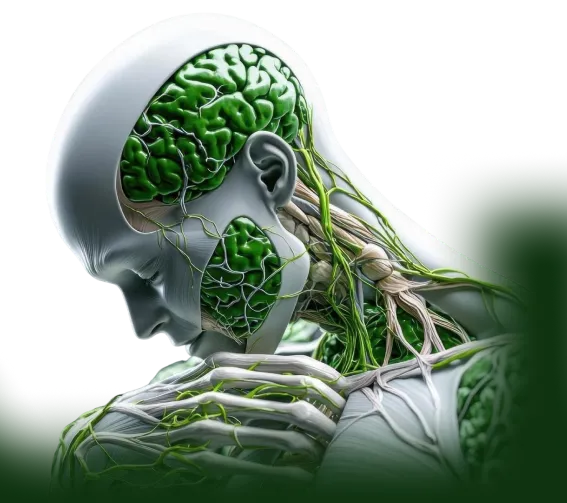
PhysEm is the system by which emotional signals are translated into large-scale physiological responses with direct multisystem effects on energy distribution, metabolism, and immune function. Due to the intensity of these responses, this system can override cognitive control, biasing decision-making and functionally acting as a third brain.
Energy Constraints & Trade-Offs
Energy availability is constrained and continuously redistributed through trade-offs among functions and systems in response to immediate physiological demands. As the intensity of these responses increases, energy allocation shifts towards these processes, while repair, regeneration, and immune balance are temporarily deprioritised.
PhysEm
Responses
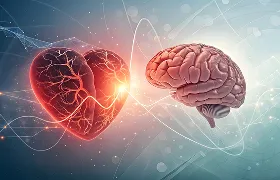
Cognitive
Energy Allocation
This redistribution also extends to cognitive and physiological functions. As physiological intensity rises, fewer resources become available for higher-order processes such as planning, reflection, and complex decision-making.
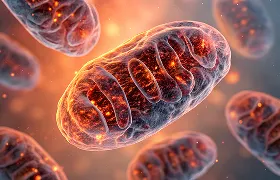
Cellular Energy &
Mitochondrial Function
At the cellular level, sustained shifts in energy allocation influence mitochondrial function, cellular repair, and metabolic efficiency. When physiological intensity remains elevated, reduced investment in maintenance processes can impair mitochondrial quality control, increase oxidative stress, and contribute to mitochondrial DNA (mtDNA) damage, ultimately reducing cellular efficiency and resilience.
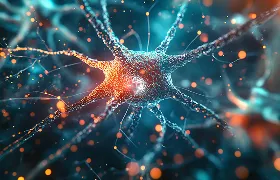
Cellular Signalling &
Ageing
These sustained shifts further influence cellular signalling pathways that regulate repair, adaptation, and ageing. Reduced investment in maintenance and recovery can contribute to key hallmarks of ageing, including mitochondrial dysfunction, accumulation of cellular damage, dysregulated intercellular signalling, and reduced adaptive capacity, ultimately affecting healthspan and long-term physiological performance.

Adaptation &
Biofeedback Regulation
Importantly, this system is dynamic and adaptable through biofeedback and ongoing physiological regulation, including anticipatory responses to internal and external signals. As a result, it influences how energy is produced, distributed, and utilised across the system, helping to restore balance between immediate responses and long-term health. With adaptation, the same stimulus requires less energy, supporting greater stability, resilience, and efficiency.
Why This Matters
For Energy Distribution
When emotional states are perceived as overwhelming or threatening, the PhysEm system shifts energy towards sustained survival responses, prioritising immediate demands over long-term repair and optimisation. Over time, this reduces capacity for recovery, clear thinking, and adaptation – often experienced as fatigue, reduced resilience, and impaired focus.
Energy availability is constrained and continuously redistributed through trade-offs among functions and systems in response to immediate physiological demands.
As the intensity of physiological responses increases, more energy is allocated to these processes, while repair, regeneration, and immune balance are temporarily deprioritised.
Over time, sustained activation of this state has been associated with measurable biological effects, including increased oxidative stress and shortening of telomeres – key markers of cellular ageing.
PhysEm shapes how energy is made available across cognitive and physiological functions. As physiological intensity increases, fewer resources are available for higher-order processes such as planning, reflection, and complex decision-making.
Importantly, the biological impact of stress is not determined by the stimulus alone, but by how it is perceived and processed – with different interpretations shaping the magnitude of physiological responses, and therefore how energy is directed across the system.
This means the same external stressor can lead to fundamentally different biological outcomes depending on how it is interpreted.
%201.webp)
%201.webp)
%201.webp)
Communication Molecules Messengers of the Energy Allocation System
Neurotransmitters
They mediate millisecond synaptic transmission between neurons, enabling rapid excitation, inhibition, and information processing.
Neuropeptides
They modulate neuronal circuit activity over longer timescales, regulating behaviours such as appetite, stress response, pain, and social bonding.
Hormones
They act via the circulation to regulate systemic energy distribution, metabolism, growth, and reproduction across minutes to days.
Cytokines
They coordinate immune signalling by regulating inflammation, host defence, and tissue adaptation in response to stress or injury.
Growth Factors
They activate intracellular signalling pathways that drive cell proliferation, differentiation, angiogenesis, and tissue repair.
Endocannabinoids
They are lipid-derived messengers synthesised on demand that suppress or fine-tune synaptic transmission to maintain neural homeostasis.
Eicosanoids
They are arachidonic acid–derived mediators that regulate inflammation, vascular tone, and pain signalling at sites of tissue stress.
Gasotransmitters
They are small diffusible gases that modulate intracellular signalling pathways, including cyclic GMP and redox-sensitive targets, without vesicular release.
Purinergic Signals
They use extracellular nucleotides such as ATP and adenosine to signal cellular stress, injury, and metabolic demand via purinergic receptors.
Microbiome-Derived Signals
They are microbial metabolites that regulate host gene expression, immune function, and neuroendocrine signalling.
Other Signalling Molecules
Additional signalling systems include redox mediators, ions, extracellular vesicles, and mechanical cues that regulate cellular function and adaptation.

Three Key Messengers
The beginning of a larger communication network.
Hormones distribute information about the body’s internal state, coordinating how energy is allocated across tissues over minutes to days. Their levels shift continuously in response to neural input, nutrient availability, circadian timing, and environmental signals.
They are not initiating decisions – they are conveying them. When a hormonal signal is changed in isolation, the underlying drivers remain active, and the system adapts to maintain its internal logic – shifting how that state is expressed rather than resolving it.
Neurotransmitters enable rapid communication between neurons, shaping perception, movement, motivation, and behaviour in real time. Their release is triggered by incoming signals and modulated by ongoing network activity.
They do not carry fixed meanings. The same molecule can produce opposing effects depending on receptor type and location – for example, dopamine can either increase or suppress neural activity depending on which receptor is activated – so altering a single transmitter does not predictably control the system it operates within.
Cytokines signal the presence of tissue stress, infection, or physiological imbalance, coordinating immune activation, repair, and adaptation. Their production reflects how the body is interpreting its internal and external environment.
They are not inherently harmful or beneficial. When persistently elevated, they indicate that the signals triggering their release remain active – so altering the signal alone changes how the state is expressed, not what is driving it.

Messengers,
Not Regulator
Changing the message does not change what is being communicated.
Determined by the System, Not the Signal
These molecules do not originate biological decisions or act as independent controllers of physiology. They are part of a continuous biofeedback system, reflecting the body’s current state and transmitting signals across tissues.
Their binding to receptors initiates specific cellular responses, but the timing, magnitude, and context of those signals are determined by upstream neural, metabolic, immune, and environmental inputs.
Signals Within a Feedback System
Physiology operates through continuous, multi-layered feedback across molecular, cellular, and organ systems. At any moment, thousands of signalling molecules are being released, detected, and adjusted in real time, integrating neural, metabolic, immune, and environmental inputs.
This system maintains stability under constant challenge – responding to injury, infection, stress, and changing energy demands while preserving function over time. The signals you observe are part of this ongoing regulation, not isolated events.
Altering a single signal does not occur in isolation. It changes the feedback within a system that is already adapting – shifting the network's behaviour rather than acting on a single pathway.
No signal operates independently; each is interpreted within the context of the whole system.
Changing the Signal vs Changing the State
When hormones, neurotransmitters, or inflammatory signals are altered directly, the body may look different from the outside: symptoms may change, blood markers may shift, and the person may feel temporarily better or worse.
But the signal was generated for a reason. If the underlying drivers remain active – energy deficit, tissue stress, infection, circadian disruption, psychological threat, metabolic strain – the system has not been resolved. It has only been forced to express itself differently.
This is why changing a messenger is not the same as changing the state that produced it. The intervention enters a live feedback system, and the body adapts around it by redistributing activity across other regulatory pathways.
The Integrated Network of Control
The body is not controlled by its parts – it is regulated by the network they form.
The BioEnergy Control System reflects how the body operates as an integrated system, organised around functional – not purely anatomical – components.
The brain and nervous system coordinate perception and response, the gut microbiome and enteric nervous system modulate metabolic and immune signalling, and PhysEm states shape how the body interprets and adapts to internal and external conditions.
These layers are continuously exchanging signals to regulate energy production, distribution, and utilisation. Thousands of signalling molecules transmit information across molecular, cellular, and organ systems in real time, allowing the body to adjust to changing demands while maintaining viability over decades.
When signals are coherent, the system self-regulates and adapts with precision. Health and longevity depend on how effectively this network integrates and responds – not on any single component in isolation.