Epigenetics –
When Biology Becomes Biography
Your DNA holds the code. Epigenetics decides how that code is read – translating lifestyle, environment, and energy into the biology of who you are becoming.





Epigenetic Intelligence Nature’s original AI
What Epigenetics is
It doesn’t rewrite or mutate your genetic code – the underlying DNA sequence remains unchanged.
It is not permanent – epigenetics is highly responsive to lifestyle, environment, stress biology, nutrition, sleep, movement, inflammation, toxin exposure, and ageing.
It is not random – epigenetic regulation follows biological logic, adjusting gene activity in response to lifestyle signals such as nutrients, stress hormones, inflammation, movement, sleep, and environmental exposures.
While epigenetic patterns are not fixed, their influence can be intergenerational – parental health and lifestyle before and during pregnancy can shape the biological environment of the next generation.
Epigenetics is nature’s original “AI” – a biological intelligence that reads lifestyle and environmental cues, then fine-tunes gene activity over time.
What Epigenetics isn’t
It doesn’t rewrite or mutate your genetic code – the underlying DNA remains unchanged.
Epigenetic marks are reversible; positive lifestyle choices can restore healthy gene expression.
These changes follow clear biological logic – your body’s adaptive response to internal and external signals.
While not permanent, some epigenetic patterns can be inherited, influencing health across up to three generations.



How Epigenetics Works
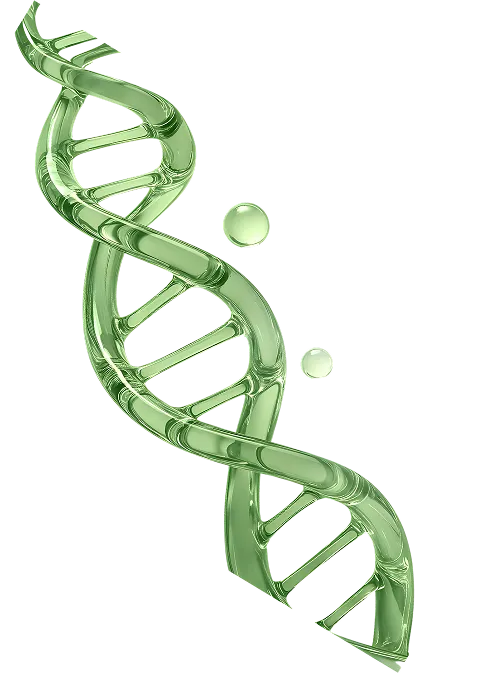
Epigenetics doesn’t rewrite your DNA – it adjusts the brightness of your genes. Through chemical “dimmers” like methyl and acetyl groups, your cells decide which genes to silence and which to express
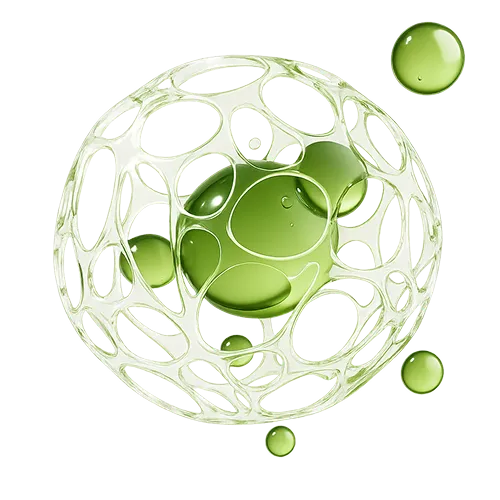
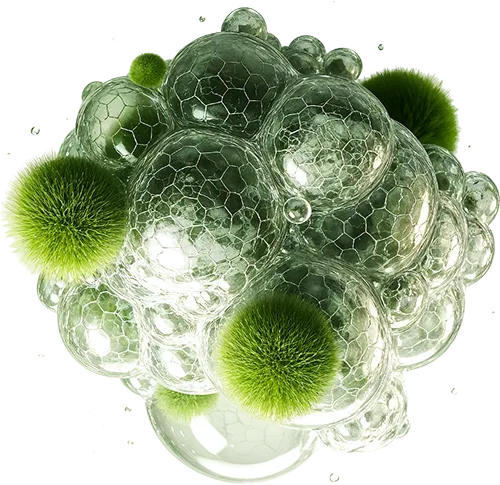
Tightly packed DNA - genes
Loosely packed DNA - genes
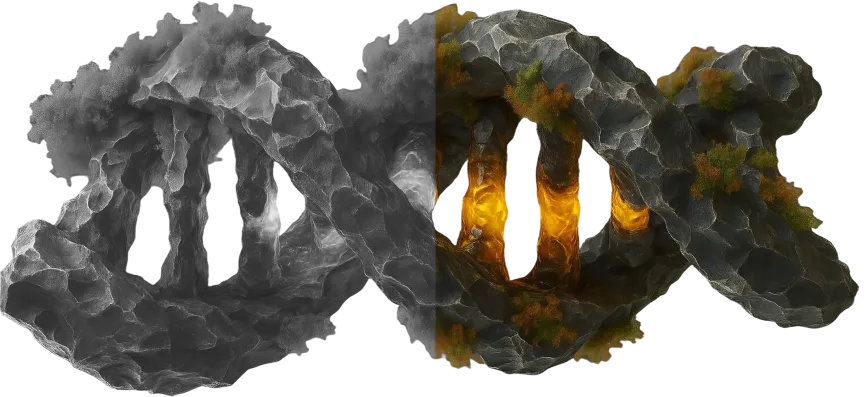

Epigenetic Intelligence Nature’s original AI
The addition of methyl groups (CH₃) to DNA, typically at cytosine bases.
This often silences genes by preventing transcription. While sometimes protective – like silencing genes linked to cancer, diabetes, or Alzheimer’s – excessive methylation can also suppress genes vital for repair, detoxification, or metabolism. Balance is therefore key for longevity.
Histones are protein spools DNA wraps around; modifying them changes DNA packing.
Histone acetylation loosens chromatin, making genes more accessible and often beneficial for learning, memory, and DNA repair. In contrast, deacetylation usually tightens chromatin, reducing accessibility. Histone methylation can either open or close gene activity, depending on context. This can protect the cell, but may also suppress protective genes if unbalanced.
These molecules don’t code proteins but regulate gene expression via RNA interference and other pathways.
They act as fine-tuners or moderators, adjusting or silencing specific gene outputs. Disruptions in non-coding RNA regulation have been linked to neurodegenerative diseases, autoimmunity, and certain cancers – but restoring or optimising their function offers targeted therapeutic potential.
The physical folding and looping of DNA that determines which genes interact and how they’re expressed.
An emerging mark involved in brain function, memory, and dynamic gene activation.
Alternative histone proteins subtly altering gene regulation and cellular identity.
Protein machines that reposition DNA-histone structures to control gene accessibility.
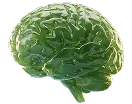


Environmental influence Your Life Shapes your biology

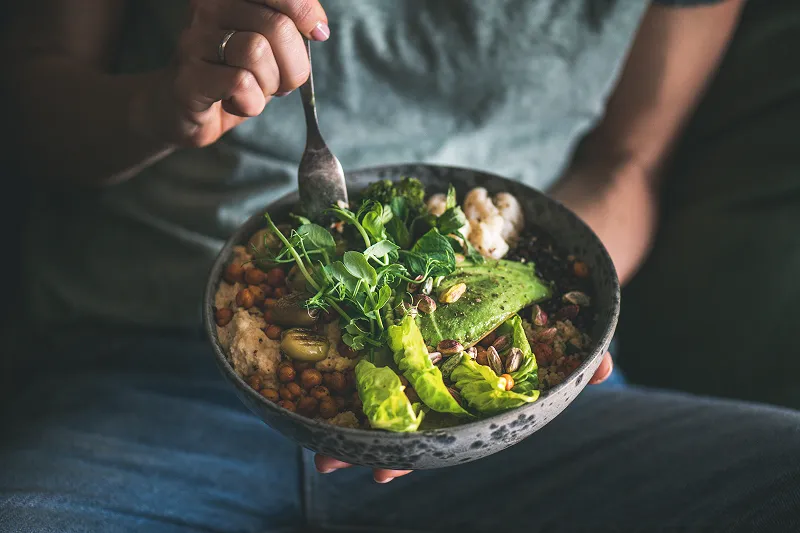



Every Corner of Your Life
feeds your biological AI
These factors don’t just nudge your biology – they guide it. They influence development, cell differentiation, disease risk, and mental and emotional balance, while closely linking to the aging process. Every lifestyle choice becomes part of your genetic dialogue, sending signals that shape what your body becomes.

The Energy Nexus Views Epigenetics as bio-AI
Biological AI
Epigenetics functions as your body’s adaptive operating system – reading signals from lifestyle, environment, stress biology, and energy state, then adjusting gene expression over time.
Continuous Feedback Loop
Like advanced AI models, your epigenome responds to continuous data streams – including nutrients, sleep, stress load, emotional states, circadian rhythm, microbiome activity, and mitochondrial output.
Conscious Influence Is Possible
The Energy Nexus System teaches you how to consciously influence this biological AI – through precision lifestyle inputs, behavioural alignment, and adaptive monitoring. This unlocks biological potential that static genetics alone cannot explain.
Epigenetic Intelligence
Nature’s Original AI
The Energy Nexus framework reveals how your biology and your world are in constant conversation – where behaviour, environment, and biomarkers become signals that shape gene expression over time.
Behavioural Precision & Modification
Behavioural Precision & Modification
Repeated behaviours – eating time, light exposure, movement, recovery, and emotional patterns – become biological instructions.
Biospecific Nutrition & Supplement Architecture
Biospecific Nutrition & Supplement Architecture
Macro- and micronutrients, polyphenols, sulforaphane, glutathione support, and targeted supplementation are matched to your metabolism, gut, hormones, and goals.
Bio-Individual Performance & Recovery
Bio-Individual Performance & Recovery
Physical output, mental clarity, mood, sleep depth, recovery rate, and fatigue patterns reveal how your body and brain are adapting.
Mitochondrial Optimisation
Mitochondrial Optimisation
Mitochondria adapt to oxygen demand, nutrient signals, movement intensity, and recovery – but the adaptation depends on the type of exercise and nutritional context.
Microbiome Optimisation
Microbiome Optimisation
Thirty to fifty different plant foods, herbs, and spices – alongside fibre, resistant starch, polyphenols, and fermented foods – support microbial diversity, gut barrier health, immunity, metabolism, and brain function.
Stress Adaptation & Emotional Regulation
Stress Adaptation & Emotional Regulation
Stress hormones, breathing patterns, glucose shifts, and nervous system tone influence how your body defends, repairs, and recovers.
Neuroplasticity Enhancement
Neuroplasticity Enhancement
Attention, repetition, emotion, sleep, and learning reshape brain pathways – strengthening the patterns you practise most.
Circadian & Chronobiological Alignment
Circadian & Chronobiological Alignment
Morning light, meal timing, exercise timing, and evening darkness help synchronise hormones, metabolism, sleep, and repair.
Regenerative & Repair Pathway Activation
Regenerative & Repair Pathway Activation
Repair depends on protein turnover, autophagy, DNA repair, mitochondrial quality control, and enough energy to rebuild.
Environmental Inputs & Modification
Environmental Inputs & Modification
Air quality, temperature, light, noise, toxins, and social surroundings all become signals your biology must process.
Digital & Electromagnetic Hygiene
Digital & Electromagnetic Hygiene
Screens, notifications, blue light, information load, and late-night stimulation can alter sleep pressure and nervous system recovery.
Advanced Biofeedback & Multisystem Monitoring
Advanced Biofeedback & Multisystem Monitoring
Blood markers, wearables, symptoms, sleep, mood, and performance trends reveal whether your biology is adapting or compensating.

This is the essence of Epigenetics
Your DNA holds the code. Epigenetics shapes how that code is read – translating nutrition, movement, stress biology, recovery, environment, and time into the biology you become.